The starting point
The number one complaint was the app
For someone walking at their desk, the app is where the effort becomes visible.
The Unsit app connects to the treadmill over Bluetooth, tracks steps, time and distance, and syncs with Apple Health, Google's health platform and Fitbit.
The most common complaints, in order, were the reliability of the Bluetooth connection to the treadmill; an interface whose quality didn't match the product's premium price; unreliable health syncing; and general bugginess.
What changed
Home: today's walk at a glance
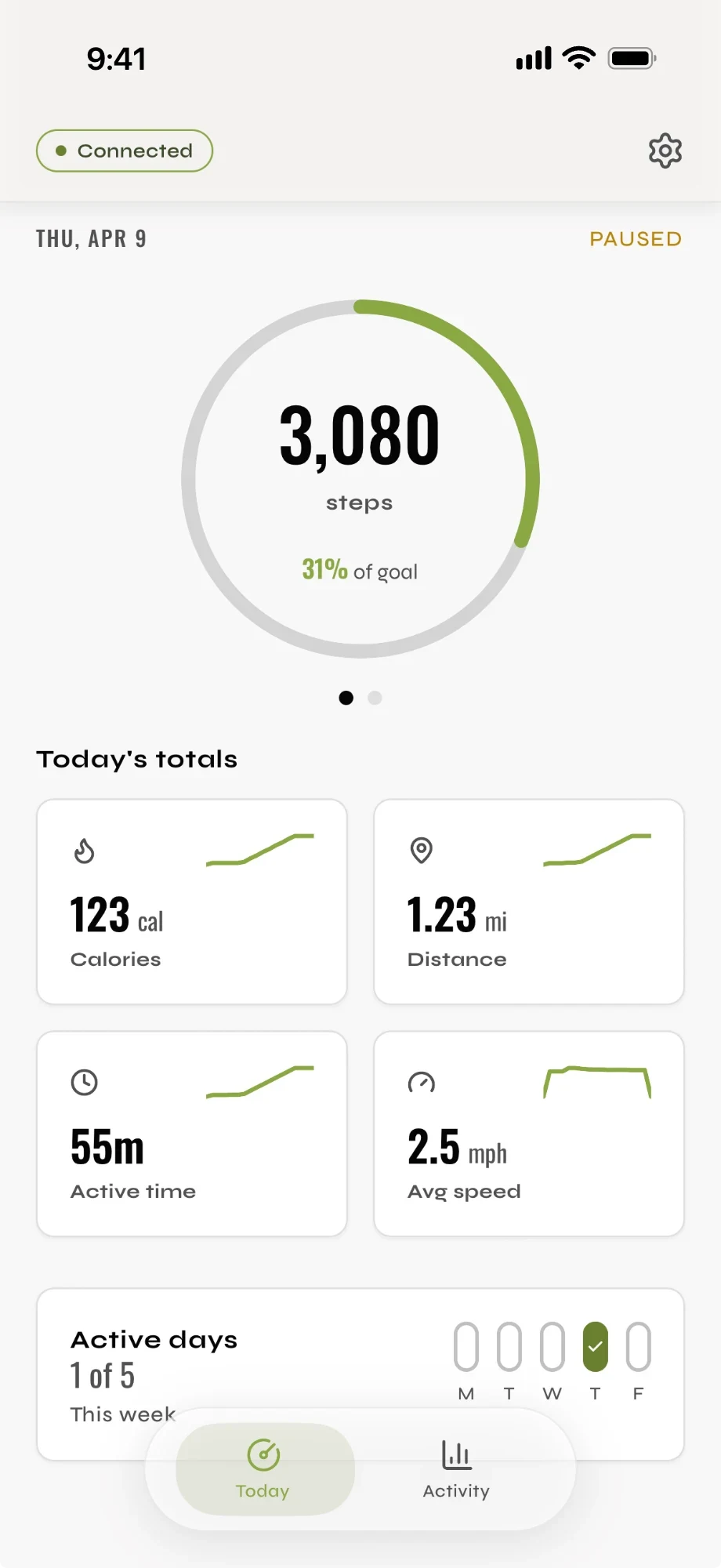
The relaunched app opens on Today, with the day's steps shown as progress toward a goal.
Where the legacy dashboard showed "Device Status: Disconnected" beside a Connect button, the relaunched screen carries a simple "Connected" label at the top.
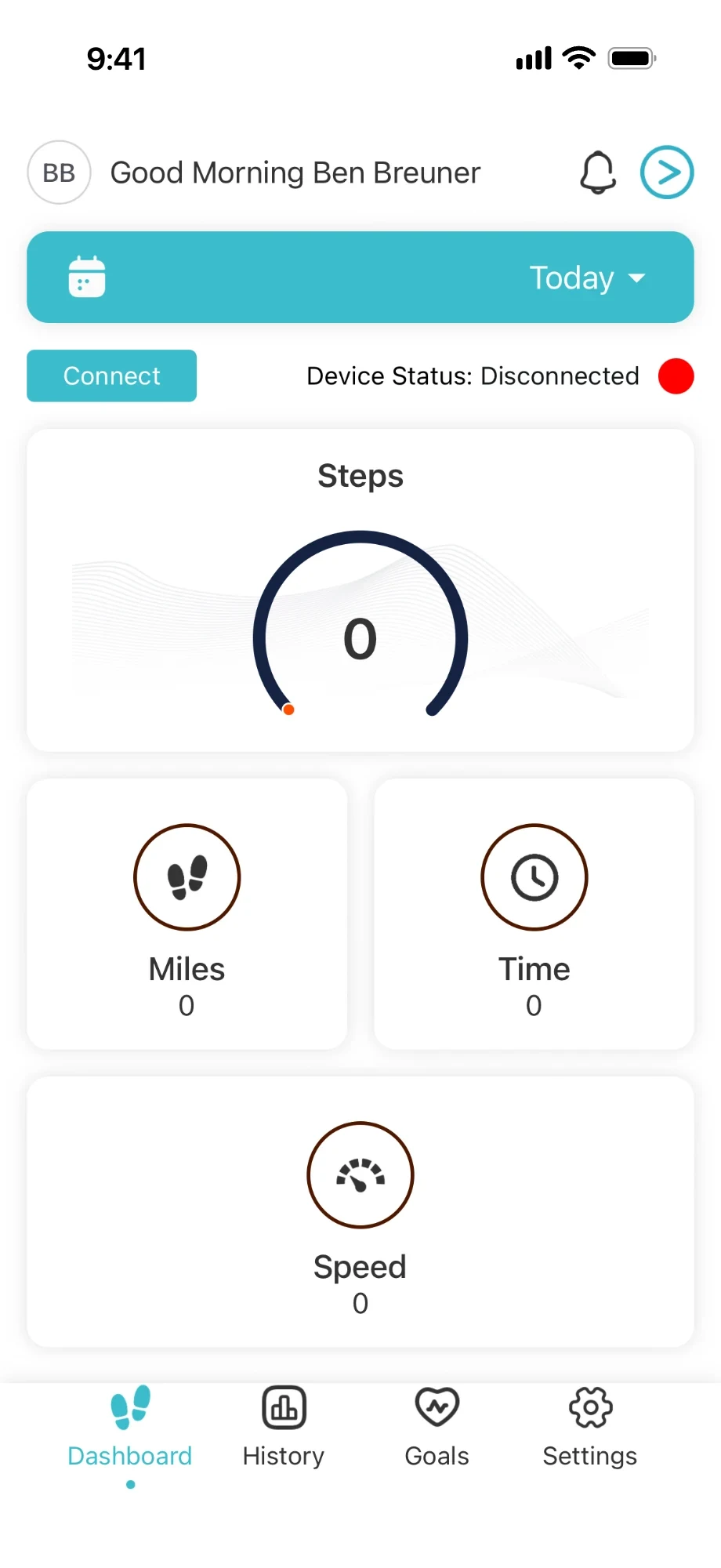
The legacy dashboard: gauges reading zero, and "Device Status: Disconnected".
The relaunched Today screen: the day's steps as progress toward a goal, today's totals, and this week's active days.
Activity: the week and the month, not only today
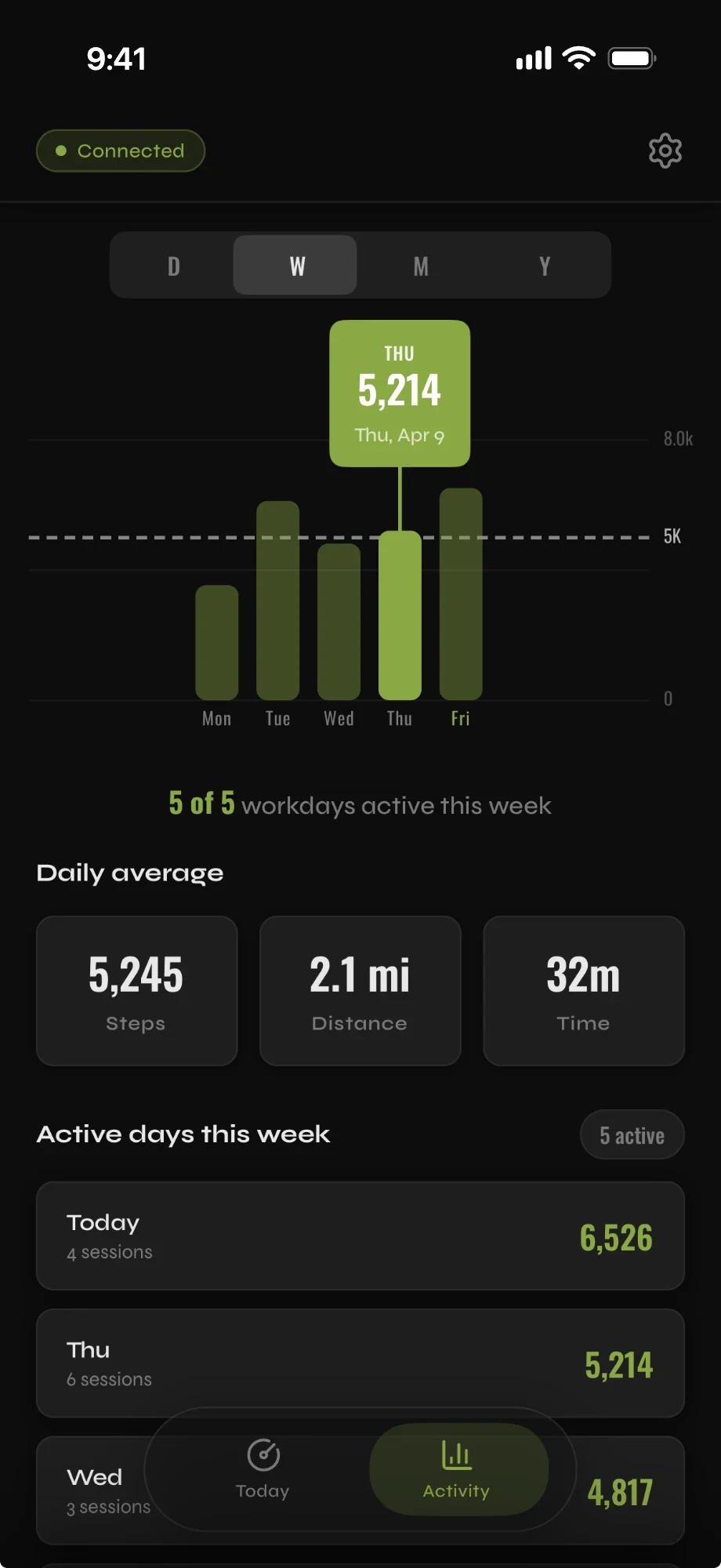
The history screen became Activity, with day, week, month and year views, daily averages, and each active day's walking sessions.
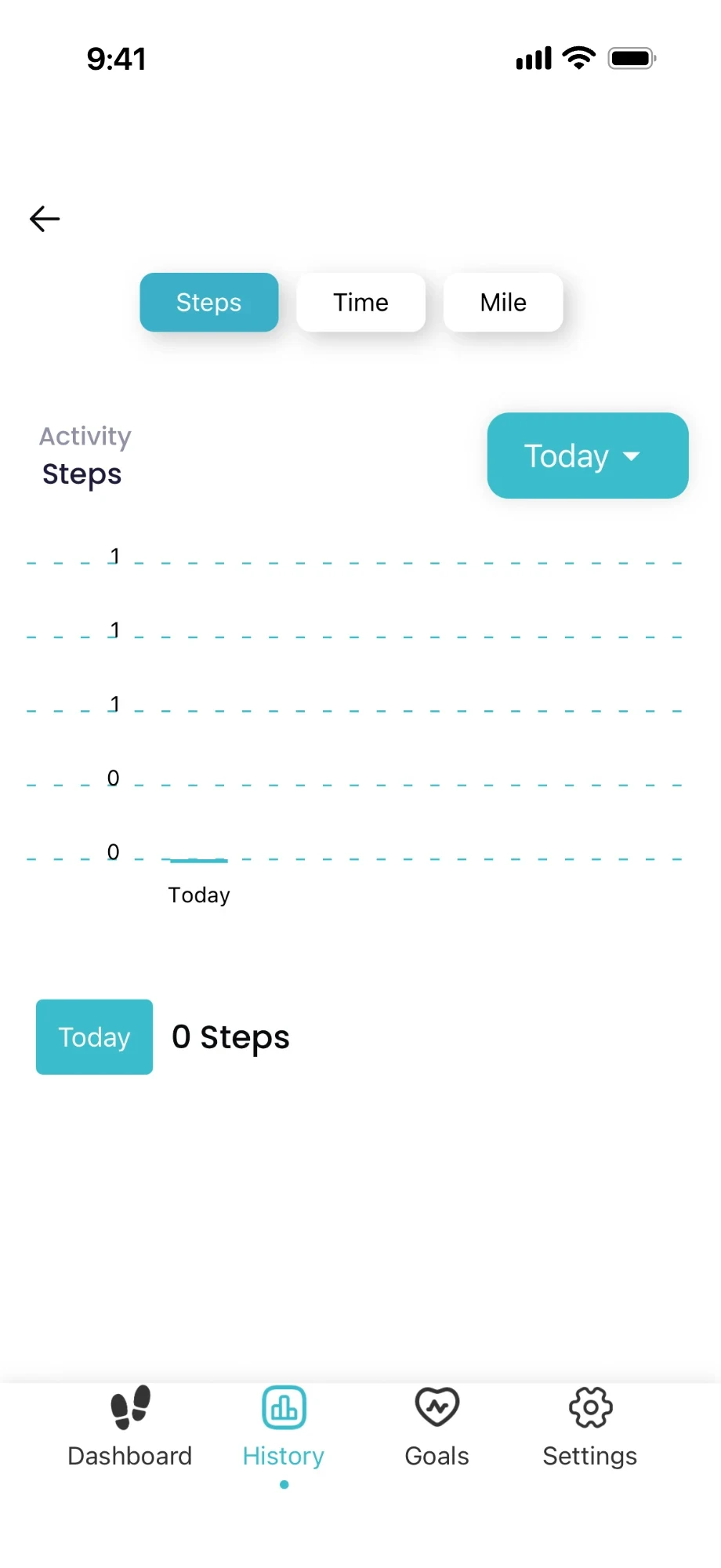
The legacy history screen: one measure at a time, charted for today.
The relaunched Activity screen, in dark mode: a week of steps by day, daily averages, and each active day's sessions.
Working when you're not looking at it
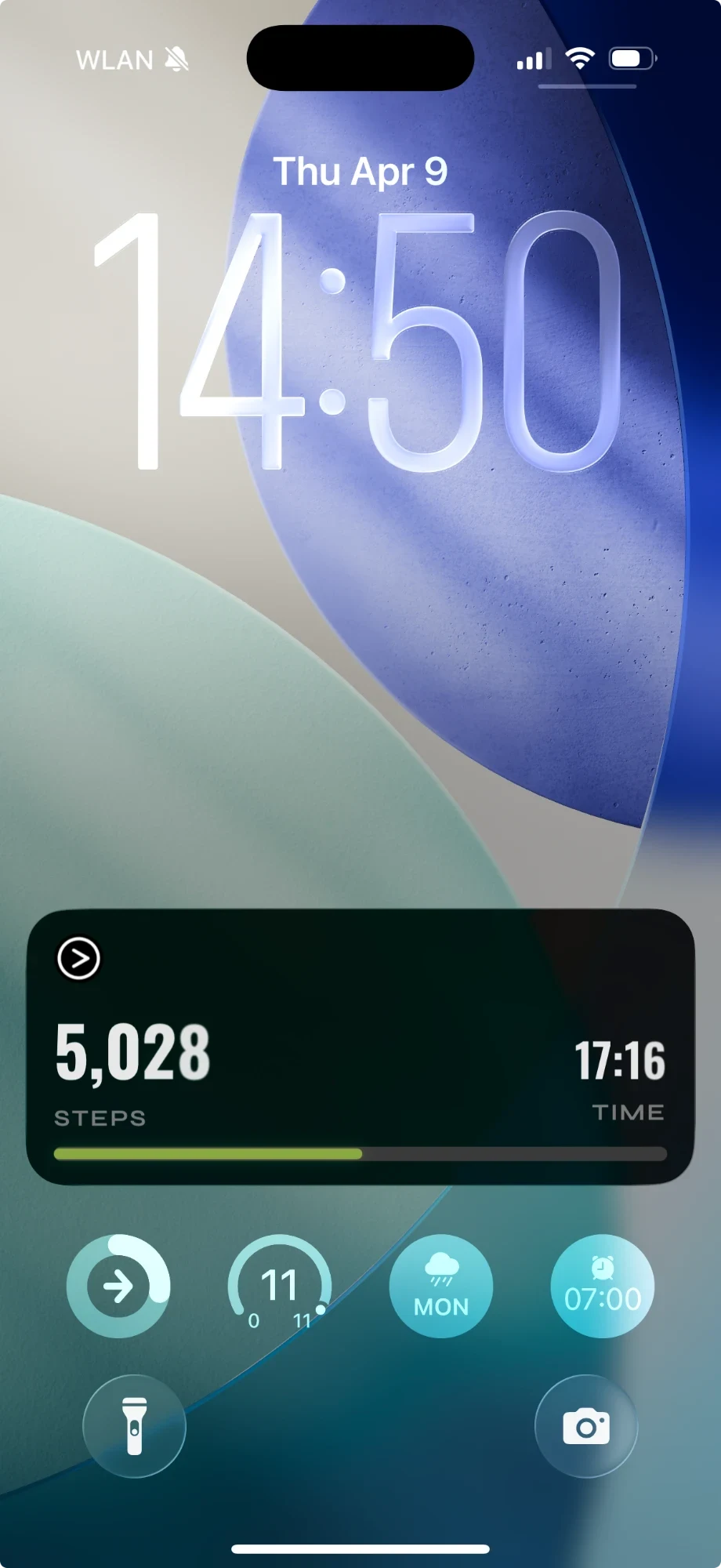
On iPhone, a walk now appears on the lock screen as a live activity, so you can see your steps and time without opening the app.
Results
More people walking with the app each week
+68% weekly active users
In the five months after the April 2026 relaunch.
This is a result from my own business, not from a client engagement or an employed role. It reflects the relaunched app as a whole rather than any single screen.
Let's talk about your teamMy role
I decided what the app should do, designed it, and built it with AI agents as my implementation support, then lived with the result.